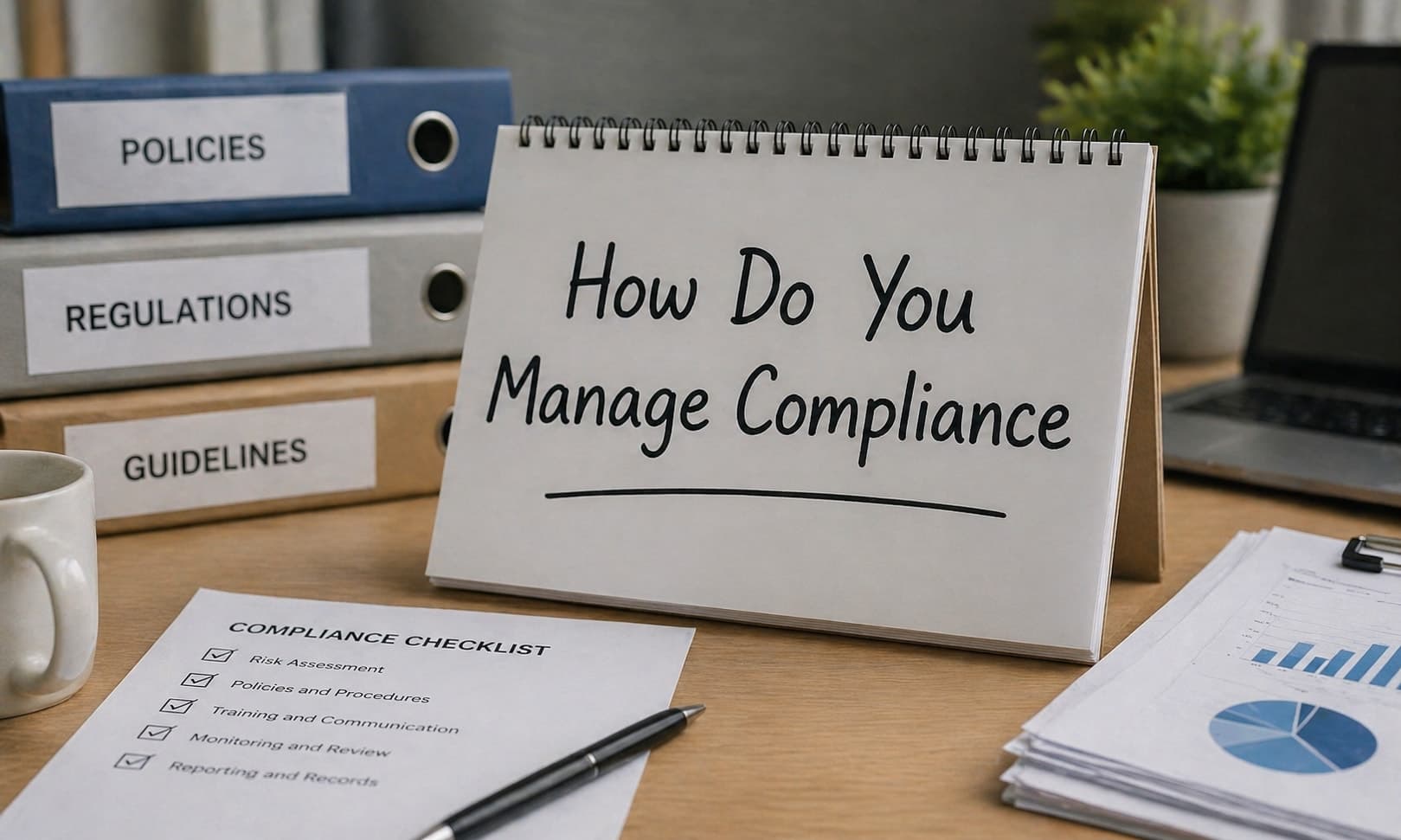

How Do You Manage Compliance Software
Managing compliance is not about doing more work. It is about having a system that keeps everything in one place and easy to track.
Most businesses struggle because compliance is handled in parts. Documents sit in emails, data is stored in spreadsheets, and reporting is done only when needed.
A better approach is to build a clear process and support it with the right tools.
What Managing Compliance Really Means
Compliance is not just about rules. It is about staying ready at all times.
You need to:
Track required data
Monitor risks
Keep records updated
Prepare for audits without last minute stress
When these steps are handled manually, things break as the business grows. That is why many teams move to ESG Compliance Software to bring structure.
Step by Step Approach to Manage Compliance
1. Centralize Your Data
Keep all compliance related data in one place. Avoid using multiple disconnected tools.
2. Define Clear Ownership
Assign responsibility for each part of compliance. This avoids confusion during audits.
3. Create Repeatable Workflows
Build simple workflows for:
Data collection
Review process
Reporting
4. Track Risks Regularly
Do not wait for issues to appear. Track risks on a regular basis and act early.
5. Prepare for Audits in Advance
Keep records updated so audit preparation becomes quick and predictable.
This is where ESG Compliance Software helps by organizing all these steps into one system.
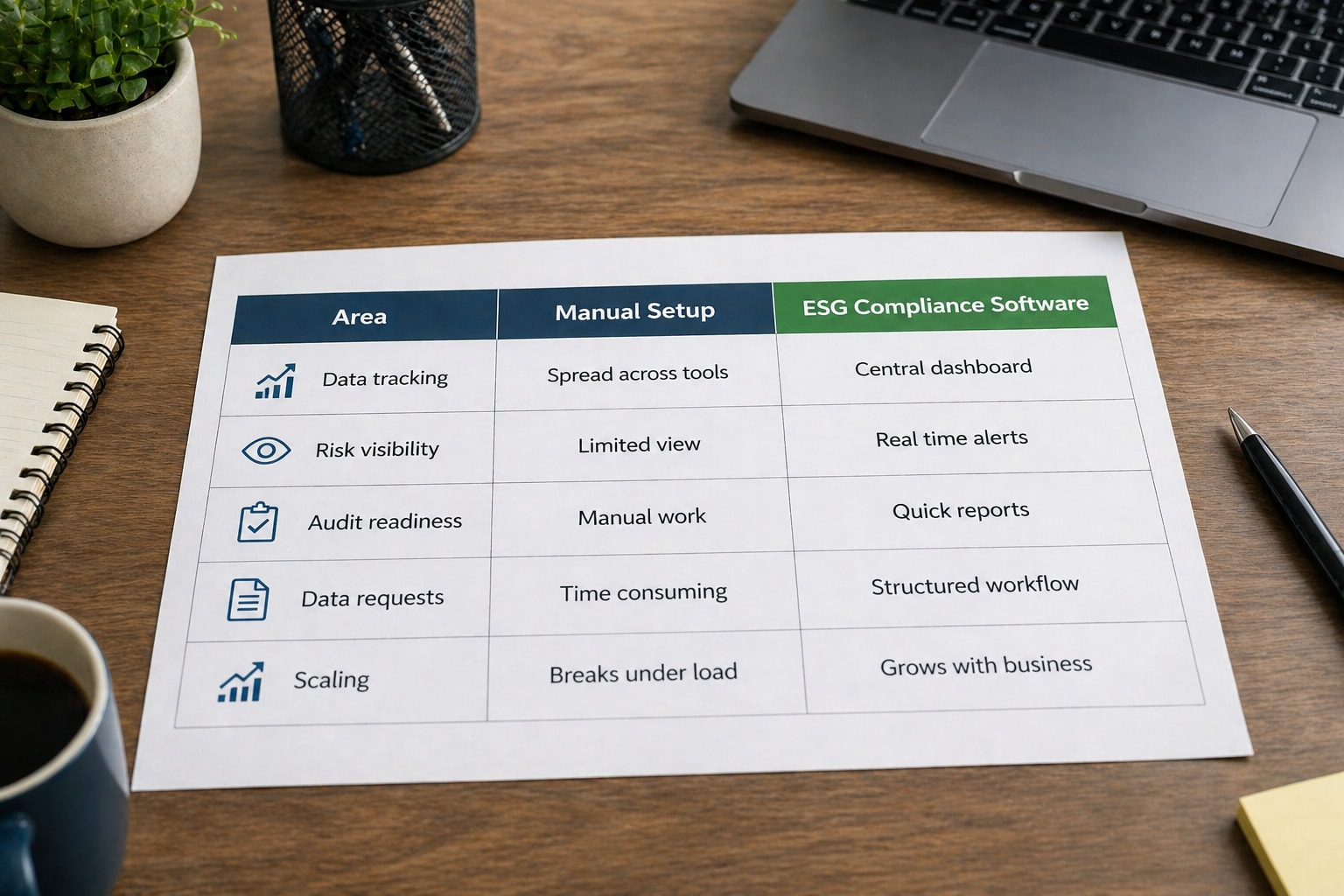
Manual vs Software Approach
Area | Manual Setup | ESG Compliance Software |
|---|---|---|
Data tracking | Spread across tools | Central dashboard |
Risk visibility | Limited view | Real time alerts |
Audit readiness | Manual work | Quick reports |
Data requests | Time consuming | Structured workflow |
Scaling | Breaks under load | Grows with business |
Most teams start manually, but they switch when things get harder to manage.
Why Businesses Are Moving to ESG Compliance Software
Manual systems work when the workload is small. As operations grow, tracking becomes harder.
With ESG Compliance Software:
Data stays organized
Reports are faster to generate
Teams follow the same process
Audit stress is reduced. It turns compliance from a reactive task into a routine process.
Common Mistakes to Avoid
Using too many tools for one process
Not assigning clear ownership
Updating data only before audits
Choosing software without fixing internal workflows. Software should support your process, not replace thinking.
Frequently Asked Questions
How do small businesses manage compliance?
Most start with basic tools like spreadsheets, but they move to ESG Compliance Software as data grows and audits become frequent.
Is compliance software necessary?
Not always at the start, but it becomes useful when manual tracking starts slowing down operations.
How often should compliance data be updated?
Regular updates are better than waiting. Weekly or monthly updates keep things accurate.
What is the biggest challenge in compliance?
Lack of visibility. Teams do not know what is missing until an audit comes up.
Can compliance be automated fully?
No. Software helps manage data and workflows, but human review is still needed.
Insights from Forums and Discussions
From Reddit and Quora discussions, a few trends are clear:
Teams delay switching from spreadsheets for too long
Audit pressure pushes businesses to adopt systems
Simple tools are preferred over complex dashboards
Integration with existing systems matters more than features
People are not looking for more tools. They want clarity and control.
Related Posts
Centralized ESG Compliance: Track And Manage Sustainability
Use centralized ESG compliance software to track sustainability goals, streamline reporting, monitor performance, and ensure regulatory responsibility.
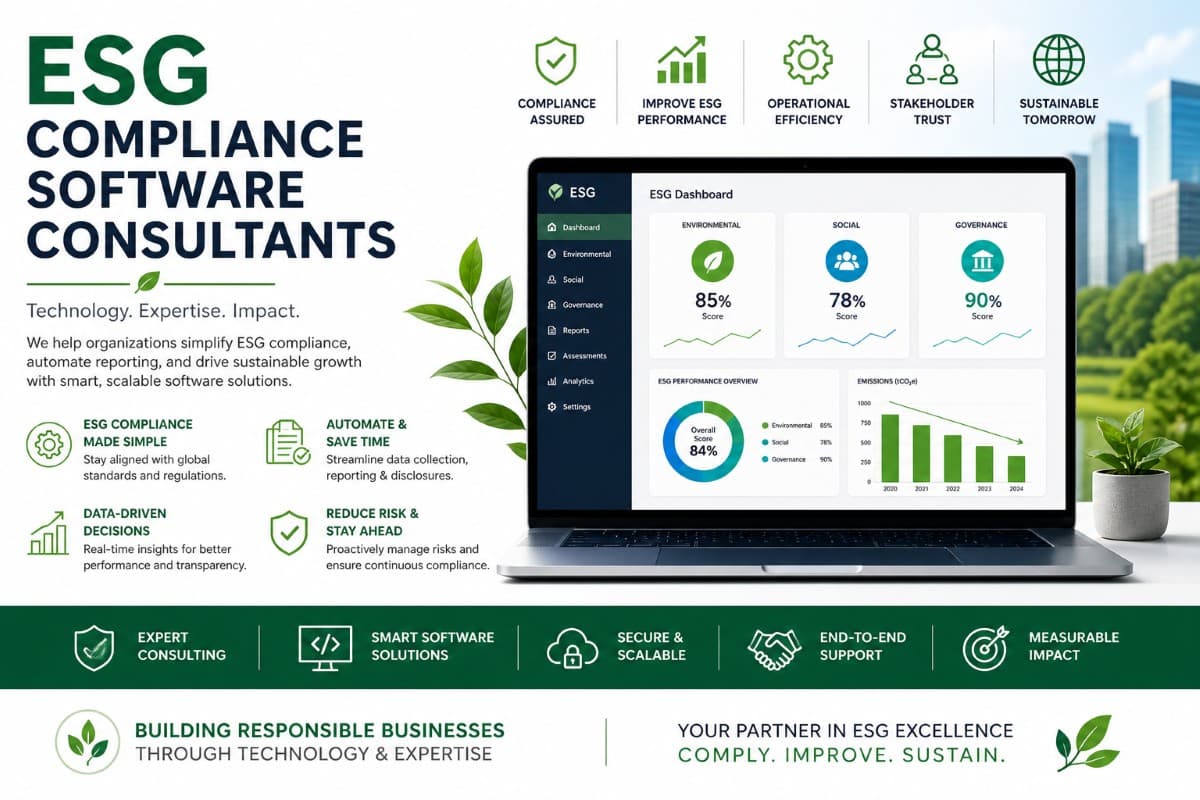
ESG Compliance Software Consultants
Looking for ESG consultants? Learn what they do, how they work, and how ESG compliance software helps businesses manage reporting, risks, and audits.